


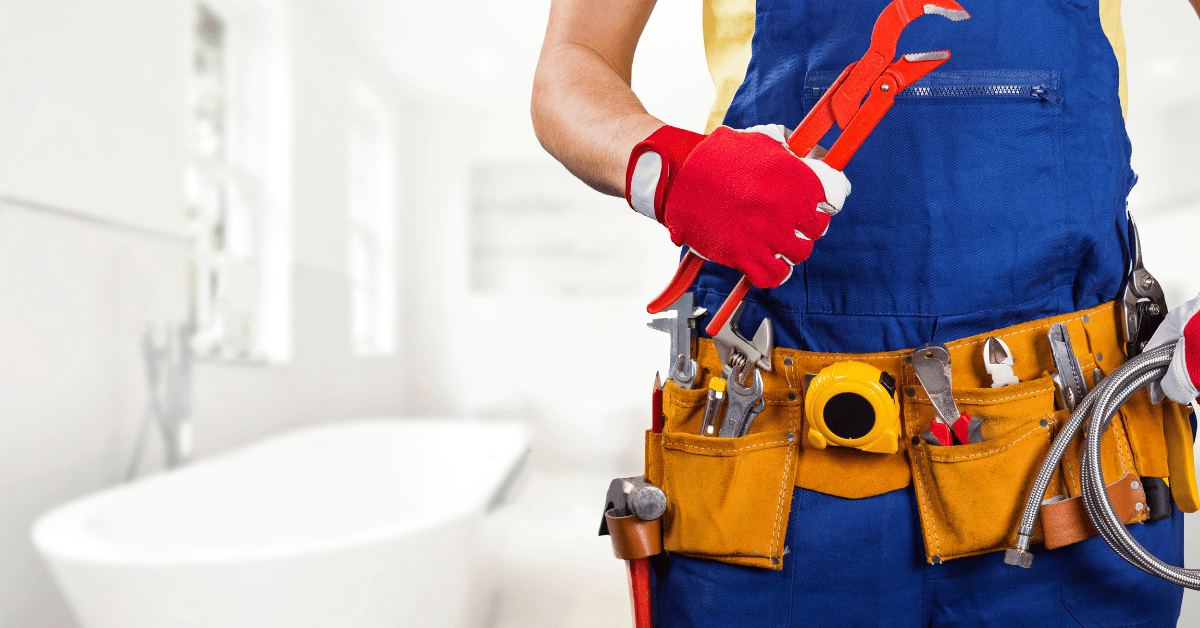
Becoming a plumber is an excellent career choice. With the combination of job stability, competitive wages, and the satisfaction of solving real-world problems, plumbing offers a rewarding trade for those willing to put in the effort. But a common question many aspiring plumbers ask is, “How long does it take to become a plumber?”
The short answer? It depends on the path you take and how much experience you want under your belt. This article will break down the different steps, timelines, and opportunities in becoming a plumber so you can figure out what works best for you.
Whether you’re a high school graduate just starting out, a career changer exploring possibilities, or a DIY enthusiast intrigued by plumbing, we’ve got you covered.
Table of Contents
How Long Does It Take to Become a Plumber?
Unlike many careers that require traditional college degrees, the plumbing trade offers a more hands-on learning experience. Typically, the process involves education, training, and licensing. Here’s what it entails:
- Basic Education (High School Diploma or GED): Most plumbing careers require you to have fundamental knowledge of math and science.
- Technical Training (Vocational School or Apprenticeship): Learn the technical skills required to tackle hands-on plumbing tasks.
- On-the-Job Experience (Apprenticeship): Work alongside experienced plumbers to gain practical skills.
- Licensing and Certifications (State-Dependent): Pass exams to legally work as a licensed plumber.
The Steps to Becoming a Plumber (With Timeline)
Here’s a step-by-step guide to becoming a professional plumber, along with how long each step generally takes.
Step 1: Obtain a High School Diploma or GED (4 Years or Less)
The first step in any plumbing career is a high school diploma or equivalent. Core classes like algebra, geometry, and physics can be especially helpful since they lay the groundwork for understanding concepts like pressure, volume, and measurements.
If you’re missing this step, you can earn a General Educational Development (GED) certificate. This usually takes 6–12 months if you’re focused and dedicated.
Step 2: Attend Technical or Trade School (6 Months to 2 Years)
Although not mandatory in all states, attending a trade school or community college is a great way to gain a foundation in plumbing basics. Programs here typically cover topics like plumbing codes, safety measures, blueprint reading, and pipe fitting.
- Key Benefit: You may receive classroom instruction as well as lab-based training where you can practice real-life scenarios.
Some quick certification programs can take as little as six months, but typically, trade school programs span closer to two years for a more thorough education.
Step 3: Begin an Apprenticeship (2 to 5 Years)
An apprenticeship is where your career truly takes shape. Most aspiring plumbers join a plumbing company or union-sponsored program to learn under a seasoned professional’s guidance.
- What You’ll Do: You’ll perform tasks like unclogging pipes, fixing leaks, and installing new plumbing systems. Over time, you’ll tackle more advanced jobs.
- What You’ll Earn: Better yet, plumber apprentices are paid for their time, making this an affordable and practical way to learn. Apprentices typically earn $15–$20 per hour, depending on the role and location.
An apprenticeship typically lasts 2 to 5 years, and the duration can vary depending on state licensing requirements and your availability.
Step 4: Obtain Your Plumbing License (Varies by State)
Once your apprenticeship is complete, you’ll be eligible to become a licensed plumber. This step involves passing a state licensing exam to ensure you understand plumbing codes, safety regulations, and system layouts.
Licensing usually includes requirements such as a specified number of job-site hours logged and an exam fee.
- Pro Tip: Renewal of licenses is required annually or biennially. Check with your state or local government for their specific requirements!
Optional Step 5: Specialize and Advance in Your Career (1–2 Years)
If you want to take your plumbing career to the next level, specializations are worth considering. You can specialize in areas like gas fitting, pipefitting, or even green plumbing (eco-friendly solutions).
With additional certifications, an experienced plumber can also advance to become a Master Plumber, which typically allows you to run your own business, manage larger teams, and take on more complex jobs.
How Long Does It Really Take to Become a Plumber?
This table simplifies the process and timeline for you based on the steps discussed:
| Step | Timeline | Key Milestone |
|---|---|---|
| Earn High School Diploma | 4 Years or Less | Completion of foundational education |
| Trade School | 6 Months to 2 Years | Learning plumbing systems |
| Apprenticeship | 2 to 5 Years | Gaining on-the-job experience |
| Licensing | Varies by State | Obtaining a state-recognized license |
| Specialization (Optional) | 1 to 2 Years | Becoming a Master Plumber or Specialist |
On average, it takes around 4-7 years to become a fully licensed and practicing plumber, depending on how many of the above steps you choose to take.
FAQs About Becoming a Plumber
Do I Need College to Become a Plumber?
No, plumbing doesn’t require a traditional four-year college degree. However, vocational training can make you a more competitive candidate when applying for apprenticeships.
How Much Do Plumbers Earn?
A career in plumbing is financially rewarding. According to the U.S. Bureau of Labor Statistics, the median annual wage for plumbers, pipefitters, and steamfitters is around $59,880, with experienced Master Plumbers earning significantly more.
Are There Online Plumbing Courses?
Yes! While in-person programs provide better hands-on training, many trade schools and vocational institutes offer online courses to cover theoretical aspects like blueprint reading and plumbing codes.
Is Plumbing a Good Career?
Absolutely! Plumbing offers job security, high demand, and the satisfaction of working in an essential trade. Plus, with advancements in water efficiency and green energy systems, plumbing jobs will continue to evolve and grow.
Can I Start Working Without a License?
Most states require plumbers to be licensed to work legally. However, you can perform tasks as an apprentice without a license under the supervision of a licensed plumber.
Gear Up for a Rewarding Career
Becoming a plumber takes time, effort, and determination, but the payoff is worth it. Not only will you gain a valuable trade skill, but you’ll also enjoy job stability and financial independence in an industry that’s always in demand.
Whether you’re just starting out or considering a career change, the first step is deciding what path works best for you—and then committing to it.
If you have any questions or need resources to get started, feel free to leave a comment below. Good luck with your plumbing journey!

4 Comments
Anyone using ketqua04 for their results? I’m curious if it’s accurate compared to others. Let me know what you think! Here’s the link: ketqua04
Heard pk777game has some cool new features. Thinking about downloading it and giving it a playthrough. Let’s see if it lives up to the hype. Game on: pk777game
Been trying to login to WinWinCasino, hope this link works! I’m ready to win! Try it as well: winwincasinologin
Alright, I stumbled upon donaldbet and gave it a peek. The layout’s clean and easy to navigate. Threw down a few small bets just to test the waters. Seems legit so far. Give it a try and let me know what you think! More info here: donaldbet